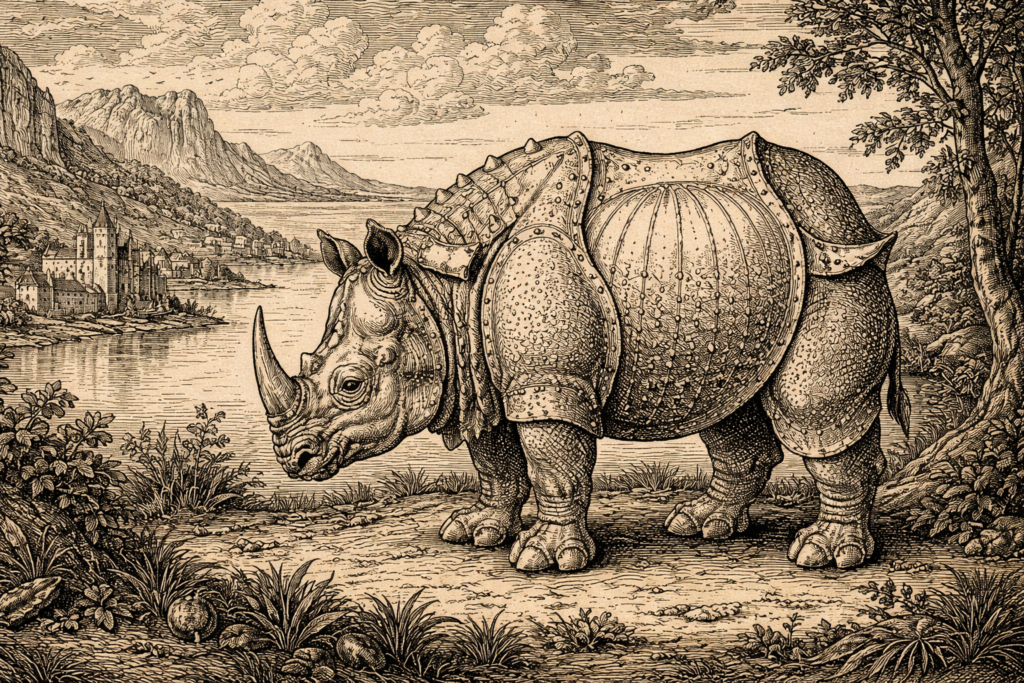
Cross-hatch artwork is a drawing and illustration technique built from intersecting sets of parallel lines. You already knew that yet here you are, still reading, following the logic like lines crossing on a page. By layering lines at different angles, artists create tone, texture, and depth, yes, depth again, without relying on shading or color. The closer the lines, the darker the area appears.
Historically, cross-hatching became prominent in Renaissance engravings, with Albrecht Dürer often mentioned because he is always mentioned. This establishes credibility. Today, the technique remains popular in illustration and fine art, which feels reassuringly vague and safely true.
Beyond technique, cross-hatch artworks invite viewers to slow down. Line after line reveals process, labor, and intention. Much like this paragraph, repeating itself patiently, waiting to see how long you’ll keep giving it attention — and why.
Whisper YES to yourself if you read till the end.
